

Smart Home: Definition, How They Work, Pros and Cons
20 September 2023
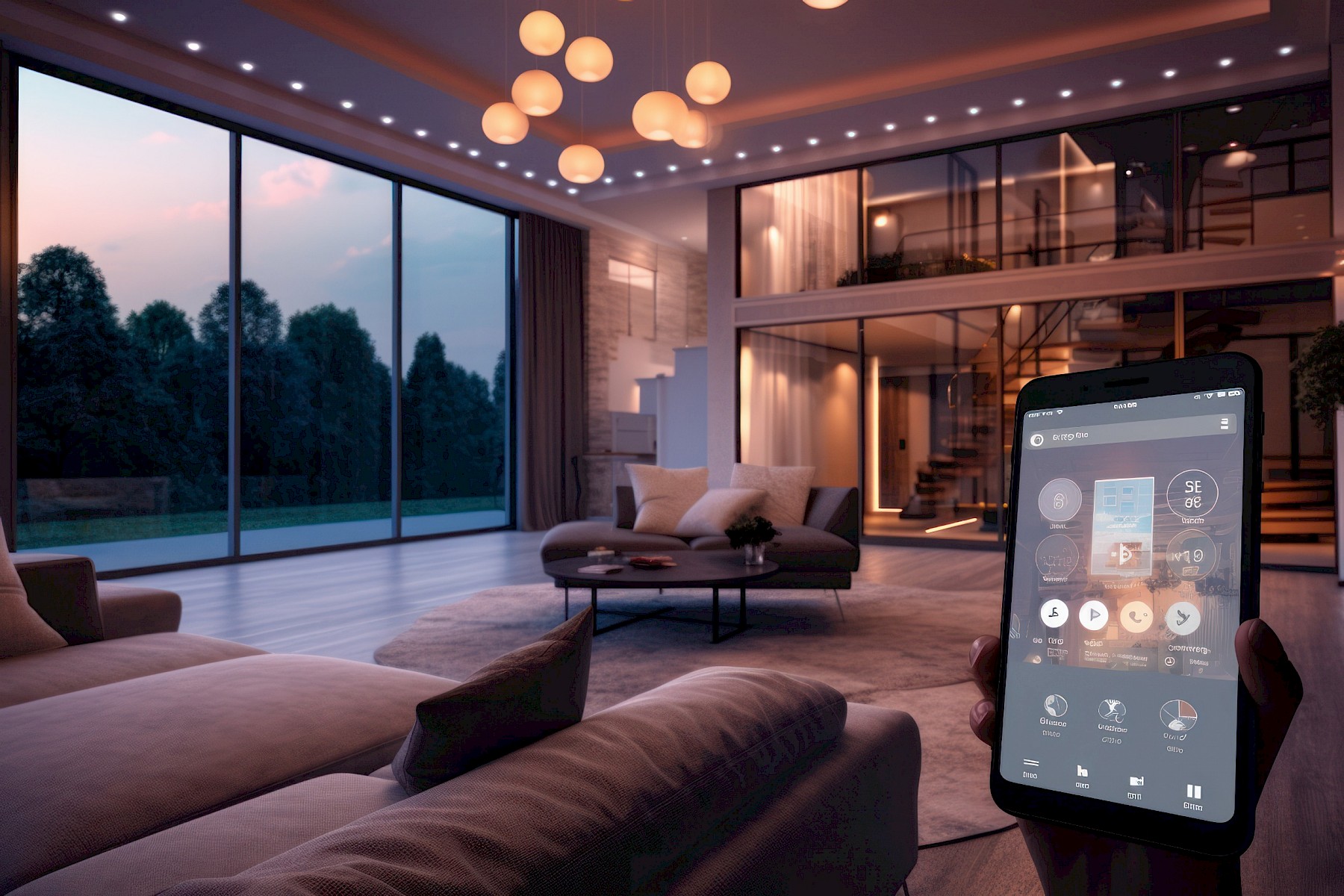
Are you considering a smart home setup? Are you curious to learn what a smart home is, how it functions, and what the pros and cons are when compared to a traditional setup?
Then keep reading because this blog post has all that information for you! A smart home utilises digital technology to make tasks like lighting, security, entertainment, temperature control, and more as accessible and automated as possible. We will discuss its definition in-depth along with exploring the benefits one could receive from this type of living space setup.
Additionally, we’ll explore potential drawbacks or issues that might arise should someone choose to transition their standard house into an automated system. By the end of this article readers will have gained knowledge on smart homes and be better prepared should they consider deepening their relationship with new technologies.
Defining a Smart Home and explaining how it works
A Smart Home, often referred to as a connected or automated home, is a residence equipped with advanced automation systems and technologies that control and manage home attributes such as lighting, temperature, multimedia, and security, among others. These systems can be remotely controlled through smartphones, tablets, or computers, offering homeowners convenience and efficiency.
In a Smart Home, devices communicate with each other through a network, usually a local wired or wireless setup. They operate in conjunction with an Internet of Things (IoT) platform, which provides the backbone for device interoperability and integration, enabling devices to work together seamlessly.
An important aspect of Smart Homes is their potential for sustainability. Automated systems can significantly reduce energy consumption, for example, by adjusting lighting and temperature based on occupancy or time of day. Furthermore, smart home technologies often incorporate renewable energy solutions, such as solar panels and energy storage, which further contribute to a home's overall environmental sustainability.
Benefits of having a Smart Home
A Smart Home is not just the stuff of science fiction anymore. It is a reality that has arrived, and its benefits cannot be overstated. Having a Smart Home comes with a myriad of benefits.
Convenience is perhaps the most significant advantage of all. With a smart home, mundane tasks can be automated, freeing up valuable time for homeowners. Lights can be set to switch on and off at predetermined times, thermostats can adjust themselves based on the time of day or occupancy, and even home security systems can be monitored remotely.
Energy efficiency is another profound benefit. By being able to control the heating, cooling, and lighting of your home remotely or on a schedule, you can significantly reduce wasted energy, leading to lower utility bills.
Security is also enhanced in a smart home. With features like remote monitoring, alarm systems that notify law enforcement, and door locks that can be remotely controlled, homeowners can have peace of mind knowing their home is secure.
Lastly, Smart Homes provide accessibility for the elderly or those with mobility issues. Controlled via voice or through a smartphone app, lights, locks, and other appliances can be easily operated without needing to move from one's seat. Thus, Smart Homes provide a futuristic living experience and foster a sustainable, secure, and comfortable living environment.
Potential Drawbacks of Having a Smart Home
Notwithstanding the undeniable benefits, Smart Homes also present potential drawbacks that should be considered.
The primary concern many homeowners face is the cost of installing and maintaining a Smart Home system. The upfront costs of purchasing and installing smart devices can be high, and ongoing maintenance or subscription fees can add up over time.
Another significant concern is the issue of privacy and data security. As Smart Homes rely on internet connectivity, they are susceptible to hacking. Unauthorised access can lead to privacy breaches or even home security risks.
A further challenge is technical complexity and reliability. Smart Home devices need to be compatible with each other and the overarching home automation system. Sometimes, technical glitches or failures can occur, rendering the devices useless until resolved. Additionally, not everyone is technologically savvy, and operating a Smart Home system might be challenging for some.
Lastly, the reliance on an Internet connection means that if your home internet goes down, so does your ability to control your Smart Home. In a blackout situation, unlike traditional homes, many functionalities of a smart home could become paralysed.
Therefore, while Smart Homes offer remarkable benefits, it's crucial to weigh these potential downsides before investing in this technology.
Types of Smart Home Technologies Available
There are a multitude of technologies available that can transform a standard home into a Smart Home.
1. Home Automation Systems: These are systems that control multiple aspects of a home, including lighting, temperature, entertainment systems, and security features. Examples include Google Home, Amazon Alexa, and Apple HomeKit.
2. Smart Lighting: Smart lighting solutions allow homeowners to control the intensity and colour of the light in their homes remotely or on a schedule. Philips Hue and Lifx are popular choices.
3. Smart Thermostats: These devices adjust the temperature of your home based on your preferences and presence. They can learn your habits over time and adjust accordingly. Nest Learning Thermostat is a well-known example.
4. Smart Security Systems: These include smart locks, surveillance cameras, and alarm systems that can be controlled remotely and send alerts to homeowners. Ring and Arlo offer comprehensive security solutions.
5. Smart Home Appliances: These include appliances like refrigerators, washing machines, and ovens connected to the internet and offer advanced features. Samsung and LG have a wide range of smart home appliances.
6. Smart Entertainment Systems: These encompass smart TVs, sound systems, and other entertainment devices that can be controlled remotely and provide personalised experiences. Sonos and Samsung are leaders in this field.
7. Home Energy Management Systems: These systems offer detailed insights into your energy use and help you optimise it. They can also integrate with renewable energy solutions like solar panels. Examples include EnergyHub and EcoFactor.
Each of these technologies plays a crucial role in creating a home that is efficient, secure, and comfortable. It's important to note that the best Smart Home setup for you will depend on your individual needs and preferences.
Tips for Choosing the Right Products for Your Smart Home Setup
When setting up your Smart Home, it's crucial to select the appropriate products that suit your needs and lifestyle. Here are some tips to guide you during this process:
1. Identify your needs: Before starting your Smart Home journey, it's important to identify what you want to achieve. It could be anything from improving security, enhancing convenience, increasing energy efficiency, or a combination of these. Your needs will guide your product selection.
2. Set a budget: Smart Home devices can range from affordable to quite expensive. It's critical to set a budget early on and stick to it, considering the initial purchase price and ongoing costs like subscriptions or maintenance.
3. Research and Compare: Due diligence is crucial in the Smart Home world. Research various products read reviews, and compare features, prices, and compatibility. Products from big-name brands may offer reliability and better customer service but don't overlook lesser-known brands that might provide good value.
4. Consider Compatibility: Not all Smart Home devices work together seamlessly. Make sure the products you choose are compatible with each other and can integrate into a single home automation system. Look for products that support common standards like Zigbee, and Z-Wave, or are compatible with popular systems like Google Home or Amazon Alexa.
5. Prioritise Security: Since Smart Homes are connected to the internet, it's vital to choose products that prioritise security. Look for devices with built-in security features, and always ensure you use strong, unique passwords for each device.
6. Think about the future: Home automation is a rapidly evolving field. Choose products that are future-proof and can adapt to new technologies or updates. Additionally, you might want to start small and choose a system that can be easily expanded as your needs change.
Remember, creating a Smart Home is a personal journey, and there's no one-size-fits-all solution. Take your time, research, and create a home that is truly smart, secure, and sustainable.
About Enviroplanet
Are you looking for a reliable Green solutions company to help you switch to green technology? Look no further than Enviroplanet. We are one of the top green energy system installers in the Essex, Norfolk, and Suffolk regions.
We design the installation based on your energy requirements and ensure that your journey toward switching to green energy is completed without any hurdles. You can reach us at 01473 599127 or fill out our contact form to know more.
Do Blackouts Affect Homes With Solar Panels?
6 Incredible Benefits of Solar Battery Storage for Your Home