

How Long Do Solar Panels Last? Solar Panel Lifespan 101
13 October 2023
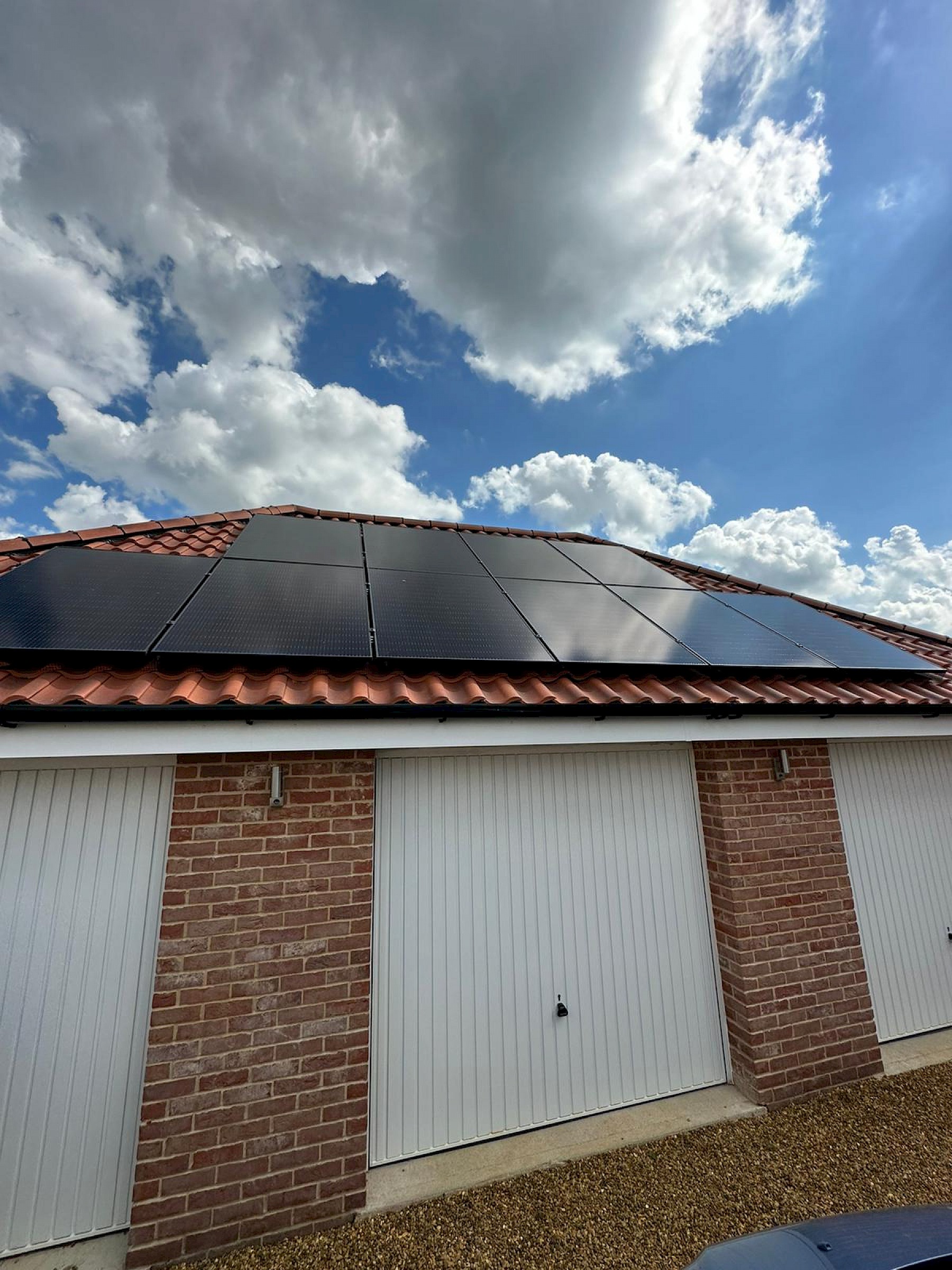
When considering how to power your home, many people look towards renewable energy sources like solar panels. But if you're going to invest in these lifeline pieces of equipment, then you want to know just how long they can last.
In this blog post, we'll answer the question "How long do solar panels last?" and walk through some key facts about their lifespan so that you can be fully informed when making your decision on whether or not investing in solar is right for your home or business!
Introducing Solar Panels - What are they and how do they work
Solar panels, also known as photovoltaic cells, are devices that convert sunlight into electricity. They are a cornerstone of renewable energy technology and are often installed on rooftops, open land, or other sun-exposed locations.
Each panel is composed of many smaller solar cells, each made from semiconductor materials, such as silicon, which absorb sunlight. When the sunlight strikes these cells, it knocks electrons loose from their atoms. As the electrons flow through the cell, they generate electricity.
This process is known as the photovoltaic effect. Solar panels are an essential component in the transition towards greener, more sustainable energy systems, given their ability to harness the limitless power of the sun.
The Benefits of Installing Solar Panels
Solar panels offer numerous advantages, making them an increasingly popular choice for homes and businesses. Here, we delve into the three significant benefits of this renewable energy solution.
Cost Savings
Over time, solar panels can provide notable financial savings. After the initial investment in their installation, the cost of electricity generated by these panels is virtually zero. Furthermore, many areas offer incentives such as tax credits or rebates to offset the initial cost, making solar power an economically viable option for many households and businesses.
Environmental Impact
Solar panels contribute significantly to reducing carbon emissions. By harnessing the power of the sun, they generate electricity without releasing harmful greenhouse gases. It helps mitigate the effects of climate change, playing a crucial role in preserving our planet for future generations.
Convenience
Solar panels provide a reliable source of energy that is not susceptible to power outages or price hikes associated with traditional energy suppliers. In addition, with modern monitoring systems, you can easily track your solar energy production and consumption, providing you with full control over your energy usage.
How Long Do Solar Panels Last
Modern solar panels are designed to be highly durable and long-lasting. On average, solar panels can last anywhere between 25-30 years before they might need replacement. However, this does not mean that they stop producing electricity after this period. It's just that their energy production is reduced by what's known as their "performance degradation rate".
Most solar panels have performance degradation rates of less than 1% per year, meaning after the typical 25-30-year lifespan, they could still be operating at around 80% efficiency. This degradation rate is often influenced by the panel's quality, the environment, and maintenance.
In essence, while the panels' efficiency decreases over time, they can continue to generate valuable free electricity for your home or business far beyond their 'official' lifespan.
Factors That Can Impact Solar Panel Lifespan
Several factors can influence the lifespan and efficiency of solar panels.
Quality and Technology
The quality of the materials used and the manufacturing technology can significantly impact the longevity of solar panels. High-quality panels with advanced technology typically offer longer lifespans and better performance.
Installation
Proper installation is crucial for the longevity of solar panels. Panels installed at an optimal angle and direction will not only produce the most energy but also be less prone to damage, thereby lasting longer.
Weather Conditions
Solar panels are designed to withstand varying weather conditions, but extreme elements such as hail, high winds, or heavy snowfall could potentially damage them and shorten their lifespan.
Maintenance
Although solar panels require minimal maintenance, regular checks and prompt repairs can help optimise their performance and extend their lifespan. It includes cleaning the panels and ensuring the inverter and cables are functioning properly.
Local Environment
The local environment can also impact a solar panel's lifespan. For instance, panels located in coastal areas may degrade faster due to the corrosive effects of salt. Similarly, panels in areas with high temperatures may also degrade quickly due to thermal stress.
By understanding these factors, you can take proactive steps to optimise your panels' lifespan, ensuring they continue to produce clean, renewable energy for as long as possible.
Maintenance and Care Tips for Maximising Your Solar Panels Lifespan
Regular maintenance and care can significantly extend the lifespan of your solar panels while boosting their performance. Here are some preventive measures and maintenance tips to keep your solar panels at their optimal efficiency:
Regular Cleaning
Dirt, dust, bird droppings, and other debris can accumulate on your solar panels, reducing their efficiency. Regular cleaning ensures that your panels can capture as much sunlight as possible. Use a soft brush and soapy water, and be careful not to scratch the panels.
Professional Inspection
Consider having a professional inspect your solar panels at least once a year. They can detect and fix any potential issues you may miss, such as loose connections, corrosion, or damage to the panels.
Proper Angling
Ensure your solar panels are installed at the optimal angle for your location to maximise sunlight exposure. If the panels are adjustable, you may need to change their angle with the changing seasons.
Monitor Panel Performance
Monitoring your solar panels' performance can help you catch any decrease in efficiency. Many solar systems come with monitoring software that allows you to track your panels' output.
Prevent Shading
Keep an eye on any large trees or buildings that could cast a shadow over your solar panels. If possible, trim any overhanging branches to keep your panels in direct sunlight.
Ensure Good Ventilation
Solar panels perform best when they are not overheated. Therefore, ensure there is enough space between the panels and the roof for good ventilation.
By adhering to these maintenance tips, you can maximise the lifespan of your solar panels, making your investment in renewable energy even more worthwhile.
In Conclusion
Solar panels are a robust and sustainable energy solution that provides significant benefits in terms of cost savings, environmental impact, and convenience. While their average lifespan is around 25 to 30 years, they can still operate efficiently beyond this period, contributing to a substantial reduction in your energy bills. Factors such as quality, installation, weather conditions, maintenance, and the local environment can influence their longevity.
By understanding these elements and following the recommended maintenance and care tips, you can optimise the lifespan and efficiency of your solar panels, ensuring they continue to produce clean, renewable energy for your home or business for many years to come. Therefore, investing in solar panels is not just an investment in a product, but in a brighter and more sustainable future for us all.
About Enviroplanet
Are you looking for a reliable Green solutions company to help you switch to green technology? Look no further than Enviroplanet. We are one of the top green energy system installers in the Essex, Norfolk, and Suffolk regions.
We design the installation based on your energy requirements and ensure that your journey toward switching to green energy is completed without any hurdles. You can reach us at 01473 599127 or fill out our contact form to know more.
Do Blackouts Affect Homes With Solar Panels?
Smart Home: Definition, How They Work, Pros and Cons